
As a parent, spotting early signs of cavities can make all the difference in your child’s dental health. Cavities can sneak up on anyone, especially kids, and catching them early helps prevent bigger problems down the road. By knowing what to look for, you can keep your child’s smile healthy and bright.
Think of your child’s teeth as a daily check-up for your parenting skills. From discolored spots to sensitivity issues, recognizing these warning signs early can save your child from unnecessary pain and frequent dental visits.
Ready to become a cavity-detective? Let’s dive into the eight key signs every parent should watch for to keep their child’s teeth in tip-top shape.
- Discolored Spots on Teeth: A Key Indicator
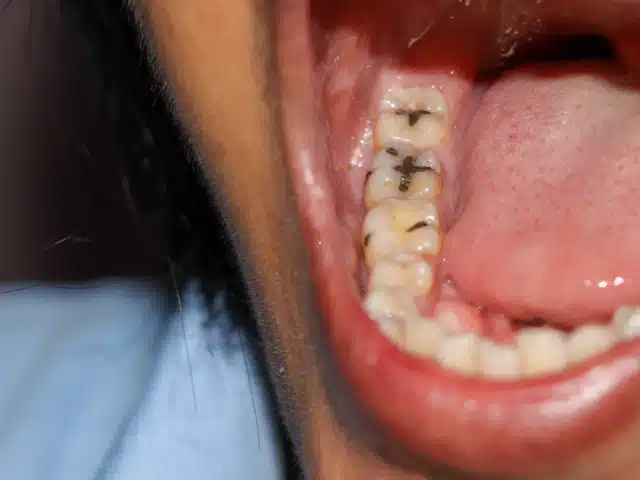
Cavities often start with discolored spots on your child’s teeth. These spots can appear as white or brown marks and are among the first signs of tooth decay. They occur when enamel, the tooth’s protective outer layer, starts to break down due to acid from bacteria.
- White Spots: Early signs of demineralization; these spots can be an early warning that cavities are forming.
- Brown Spots: Indicate more advanced decay where enamel is compromised.
Spotting these discolored areas early allows you to address potential cavities before they progress. Regular dental check-ups and brushing can help manage and even reverse these early signs.
- Sensitivity to Hot or Cold Foods: What to Watch For
If your child winces at the thought of hot soup or cold ice cream, cavities might be the cause. Sensitive teeth can signal that decay has reached deeper layers of the tooth, exposing nerves.
- Reaction to Temperature: Notice if your child complains about discomfort when consuming hot or cold foods.
- Increased Sensitivity: May indicate that cavities are worsening or spreading.
Spotting sensitivity early can be crucial. It’s a clear sign that dental intervention might be needed to prevent further discomfort and damage.
- Persistent Bad Breath: More Than Just a Smell
Bad breath isn’t just a minor inconvenience; it can be a clue that cavities are present. When food particles and bacteria linger in decayed areas of the tooth, they can lead to persistent, unpleasant breath.
- Dental Hygiene Impact: Regular brushing and flossing might not fully combat the bad breath if cavities are present.
- Odor Origin: The smell often comes from bacteria breaking down in decayed parts of the teeth.
If bad breath lingers despite good oral hygiene, it’s worth investigating whether cavities are the cause.
- Noticeable Holes or Craters: A Clear Sign of Advanced Decay
Advanced cavities can manifest as visible holes or craters in your child’s teeth. These are clear indicators that the decay has progressed significantly.
- Visible Holes: Check for any obvious indentations or holes in the teeth, especially on the chewing surfaces.
- Cavities’ Progression: Holes suggest that the decay is no longer superficial and requires immediate dental attention.
Regularly inspecting your child’s teeth can help you spot these serious signs and ensure timely treatment.
- Pain When Chewing: An Alert to Dental Issues
If your child complains of pain while chewing, it may be a sign of cavities affecting the deeper parts of their teeth. Cavities can cause discomfort when biting down or chewing food.
- Chewing Discomfort: Observe if your child avoids certain foods or shows signs of discomfort during meals.
- Localized Pain: Pain often occurs in areas where decay has damaged the tooth structure.
Addressing this issue early on can prevent further damage and alleviate your child’s discomfort.
- Bleeding Gums: An Important Clue
Bleeding gums can be another indicator that cavities are present, especially if the gums bleed while brushing or flossing. This can occur due to gum inflammation caused by plaque buildup around decayed teeth.
- Gum Health: Notice if your child’s gums bleed more frequently during oral hygiene routines.
- Potential Causes: Bleeding might be linked to the gums reacting to dental issues like cavities.
Assessing this symptom can help you determine if there’s a need for a dental check-up.
- Frequent Toothaches: A Signal of Severe Cavities
Frequent toothaches, particularly if they occur without an obvious cause, can indicate severe cavities. The persistent pain often results from extensive tooth decay affecting nerves.
- Pain Patterns: Regular or severe toothaches should be monitored and not ignored.
- Impact on Daily Life: Persistent pain can affect your child’s ability to eat and sleep comfortably.
Promptly addressing frequent toothaches can prevent further complications and provide relief for your child.
- Trouble Brushing or Flossing: A Sign of Hidden Issues
If your child is having difficulty brushing or flossing, it may be due to cavities making their teeth sensitive or painful. Avoidance of oral hygiene due to discomfort can exacerbate the problem.
- Oral Hygiene Challenges: Look for signs that your child is struggling with their brushing or flossing routine.
- Sensitivity: Discomfort while brushing may be a sign that cavities are affecting their teeth.
Spotting cavities early can make all the difference in your child’s dental health. By staying vigilant for these warning signs, you can catch potential issues before they become serious. Regular check-ups and prompt action can help preserve your child’s smile and prevent discomfort. Don’t wait for symptoms to worsen—keep an eye out for these indicators and ensure your child receives the care they need for a healthy, happy smile.