
Introduction
When it comes to dental health, encountering a black tooth can be alarming. Whether it’s a sudden discovery or a gradual change in tooth color, understanding the implications and knowing when to seek immediate care is crucial. In this article, we’ll delve into what causes a black tooth, signs and symptoms to watch out for, potential complications, treatment options, and when to seek emergency dental care.
What is a Black Tooth
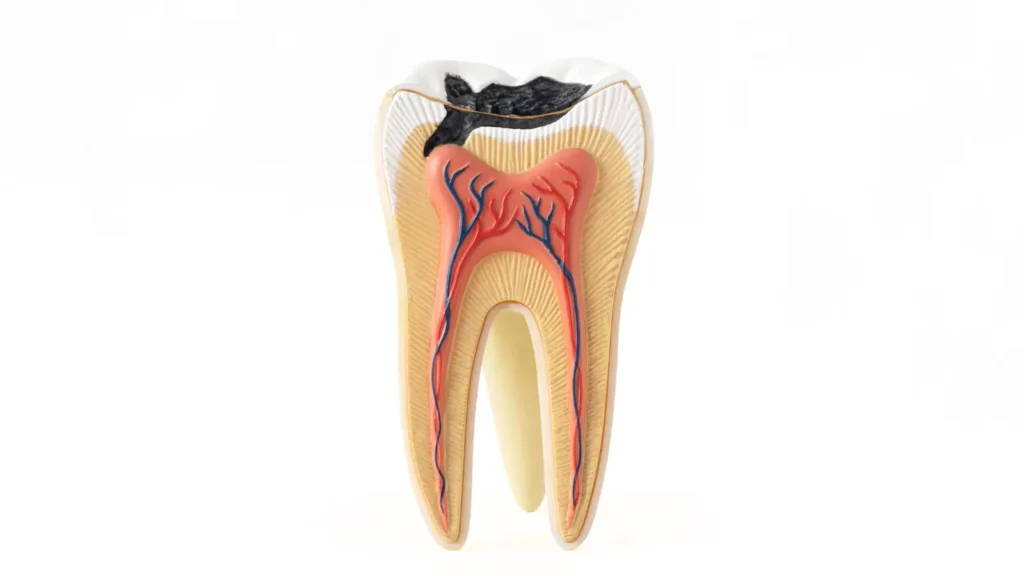
A black tooth is a dental condition characterized by a visible discoloration of the tooth, typically ranging from a dark brown hue to a deep black shade. This discoloration is often a result of underlying issues such as trauma, decay, or certain medical conditions impacting the tooth’s structure and appearance.
Trauma, such as a blow to the tooth, can cause internal bleeding or damage to the tooth’s nerves, leading to discoloration over time.
Decay, caused by bacteria feeding on sugars in the mouth, can erode the tooth’s enamel and expose the inner layers, resulting in discoloration.
Additionally, certain medical conditions or medications can affect tooth development or enamel formation, contributing to the blackening of a tooth. Understanding the root cause of a black tooth is essential for determining the appropriate treatment and preventing further damage to oral health.
Common Causes of a Black Tooth
Tooth discoloration, ranging from dark brown to black, can result from various factors like dental trauma, decay, poor oral hygiene, smoking, medications, or genetic predisposition. Trauma and decay can damage the tooth structure, while smoking and certain medications contribute to staining. Inadequate oral hygiene allows plaque buildup, worsening discoloration. Genetic factors can also play a role in weakening enamel. Understanding these causes is crucial for effective prevention and treatment.
Importance of Seeking Immediate Dental Care
While a black tooth may not always be an emergency, prompt dental evaluation is essential to determine the underlying cause and prevent potential complications.
Signs and Symptoms of Black Tooth
A. Pain or Discomfort Associated with a Black Tooth: One of the primary signs of a dental issue is pain or discomfort around the affected tooth. This may indicate underlying decay or infection, which requires immediate attention.
B. Changes in Tooth Color or Texture: Aside from the obvious black discoloration, the affected tooth may also exhibit changes in texture, such as roughness or pitting, indicating advanced decay or damage.
C. Possible Bad Breath or Foul Taste: In some cases, a black tooth may be accompanied by bad breath or a foul taste in the mouth, which can be indicative of bacterial infection or decay.
Potential Complications
A. Risk of Infection Spreading: Untreated dental issues, such as decay or infection, can spread to surrounding teeth or even affect the gums and jawbone, leading to more extensive dental problems.
B. Impact on Overall Oral Health: Neglecting a black tooth can have detrimental effects on overall oral health, including increased risk of tooth loss, gum disease, and even systemic health issues.
C. Psychological Effects of Dental Aesthetics: The aesthetic impact of a black tooth can also take a toll on an individual’s self-esteem and confidence, affecting social interactions and quality of life.
Treatment Options
A. Immediate Dental Evaluation and Diagnosis: Upon discovering a black tooth, it’s essential to schedule an appointment with a dentist for a thorough evaluation and diagnosis. This will help determine the underlying cause and appropriate course of treatment.
B. Possible Procedures for Treating a Black Tooth: Treatment options for a black tooth vary depending on the cause and severity of the condition. They may include professional cleaning, dental fillings, root canal therapy, or in severe cases, tooth extraction.
C. Prevention Strategies to Avoid Further Damage: Practicing good oral hygiene, including regular brushing, flossing, and routine dental check-ups, can help prevent dental issues such as tooth decay and discoloration. Avoiding tobacco products and maintaining a healthy diet can also contribute to overall dental health.
When to Seek Emergency Care
A. Sudden Onset of Severe Pain: If you experience sudden and severe pain associated with a black tooth, it may indicate an acute dental problem requiring emergency care.
B. Persistent Bleeding or Swelling: Persistent bleeding or swelling around the affected tooth can be signs of infection or abscess, necessitating immediate dental attention.
C. Any Signs of Infection or Fever: Symptoms such as fever, swelling of the face or neck, or drainage of pus from the gums are indicators of a serious dental infection that requires urgent treatment.
Conclusion
While a black tooth may not always constitute a dental emergency, it should never be ignored. Prompt evaluation and treatment by a qualified dentist are essential to address the underlying cause and prevent further complications. By being proactive about dental health and seeking timely care when needed, individuals can maintain a healthy smile and overall well-being.
A black tooth should never be overlooked, as it could signal underlying dental concerns necessitating immediate attention. Seeking emergency dental care is vital to avert complications and uphold optimal oral health. At Promenade Center For Dentistry, your trusted dentist in Charlotte, NC, we prioritize your dental well-being, offering timely and comprehensive care to address any concerns regarding tooth discoloration. Don’t hesitate to reach out to us for expert assistance and personalized treatment tailored to your needs.