

After undergoing a tooth extraction, it’s crucial to eat soft foods that won’t irritate the extraction site and aid in the healing process. While it’s essential to follow your dentist’s specific post-operative instructions, including any dietary restrictions, incorporating soft, nutritious foods can make your recovery more comfortable and promote healing.
In this informative blog, we’ll explore 10 soft foods that are ideal for consumption after tooth extraction, along with their benefits and how they can help you recover quickly.
What does a Tooth Extraction Recovery Timeline Look Like?
Recovering from a tooth extraction can vary depending on the individual and the complexity of the extraction. However, there is a general timeline that most people can expect to follow. Here is a typical tooth extraction recovery timeline:
First Day: Immediately After Extraction
- Bleeding: Some bleeding is normal after a tooth extraction. Your dentist will place a gauze pad over the extraction site to help control bleeding. Bite down gently on the gauze for about 30-45 minutes.
- Pain Management: You may experience some pain and discomfort after the extraction. Your dentist may prescribe pain medication or recommend over-the-counter pain relievers.
- Swelling: Swelling around the extraction site is normal and can be reduced by applying an ice pack to the affected area for 10-20 minutes at a time.
Day 2-3: Initial Healing
- Continued Pain Management: You may still experience some pain and discomfort during this time. Follow your dentist’s instructions for pain management.
- Swelling: Swelling may peak around days 2-3 and then gradually start to decrease.
- Soft Diet: Stick to soft foods to avoid irritating the tooth extraction site. Foods like yogurt, mashed potatoes, and soup are good options.
- Avoid Straws: Avoid using straws, as the suction can dislodge the blood clot and delay healing.
Day 4-7: Continued Healing
- Pain and Swelling: Pain and swelling should continue to improve during this time. If you notice increasing pain or swelling, contact your dentist.
- Healing of Extraction Site: The extraction site will begin to heal, and a blood clot will form to protect the underlying bone and nerves.
- Stitches Removal: If you have stitches, your dentist may remove them during this time.
Week 2-3: Further Healing
- Pain and Swelling: Pain and swelling should continue to decrease, and you should start to feel more comfortable.
- Diet: You can start to reintroduce solid foods into your diet, starting with soft foods and gradually progressing to firmer foods.
- Activity: You can gradually resume normal activities but avoid strenuous exercise or activities that could dislodge the blood clot.
10 Soft Foods to Eat After Tooth Extraction
Yogurt
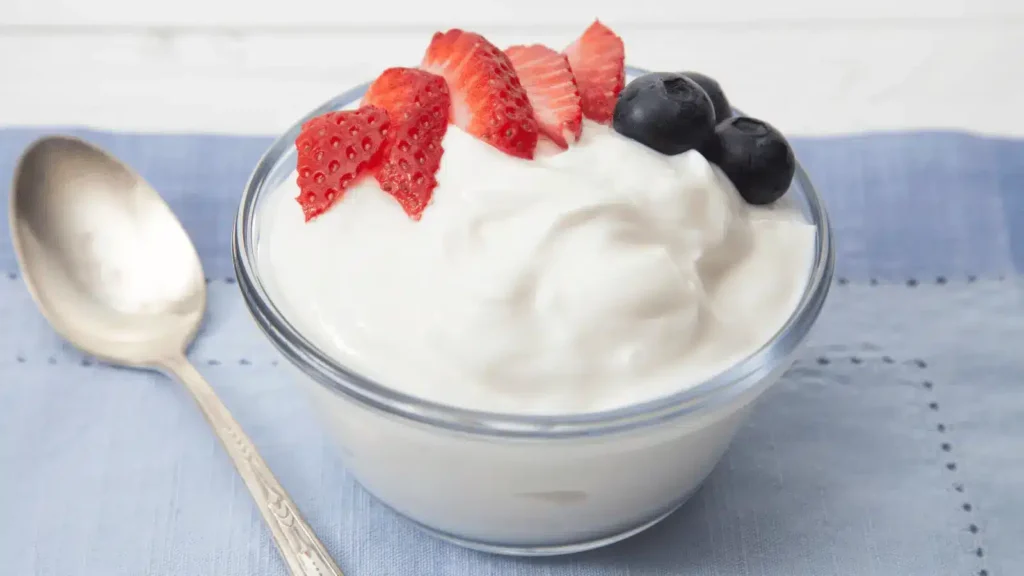
It is an excellent choice after a tooth extraction due to its high protein content, which is crucial for tissue repair and regeneration. Probiotics found in yogurt can also help maintain a healthy balance of bacteria in your mouth, reducing the risk of infection. Opting for plain, unsweetened yogurt is important to avoid irritating the extraction site with added sugars. Additionally, yogurt is soft and easy to swallow, making it a gentle option for post-extraction meals.
Mashed Potatoes
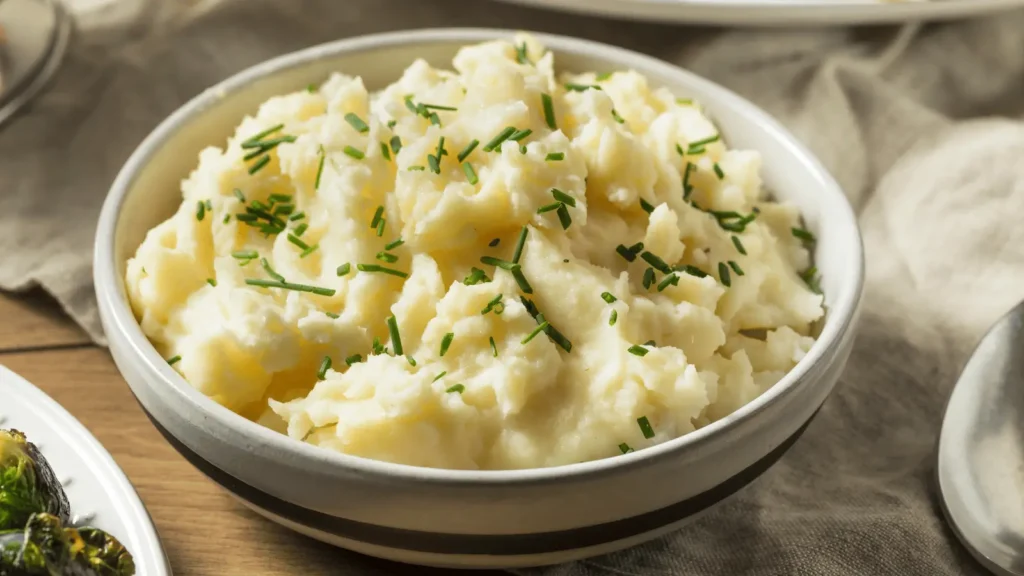
It’s not only comforting but also packed with nutrients that can support healing. They are rich in vitamin C, which is essential for collagen production and immune function. Potatoes are also a good source of potassium, which helps maintain proper nerve function and muscle contractions. Additionally, it aids in overall recovery after a dental procedure. Mashing potatoes makes them easy to chew and swallow, minimizing discomfort during the healing process.
Applesauce
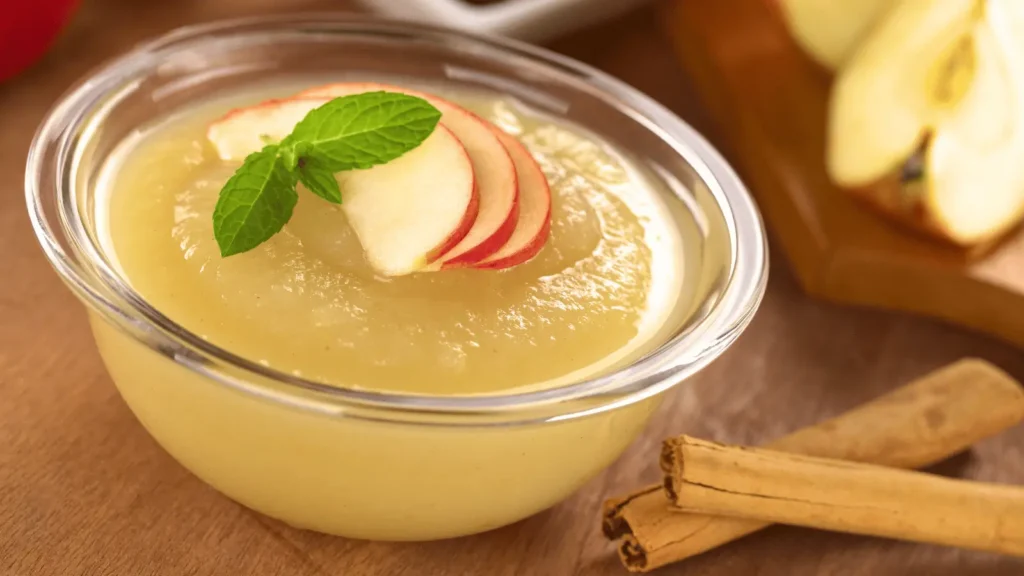
It is a soft and soothing option that can provide important nutrients like vitamin C and fiber. Vitamin C is an antioxidant that promotes healing by supporting the immune system and aiding in collagen production. Fiber is beneficial for digestion and can help prevent constipation, a common side effect of pain medications often prescribed after tooth extraction. The gentle texture of applesauce makes it easy to eat without irritating the extraction site.
Smoothies
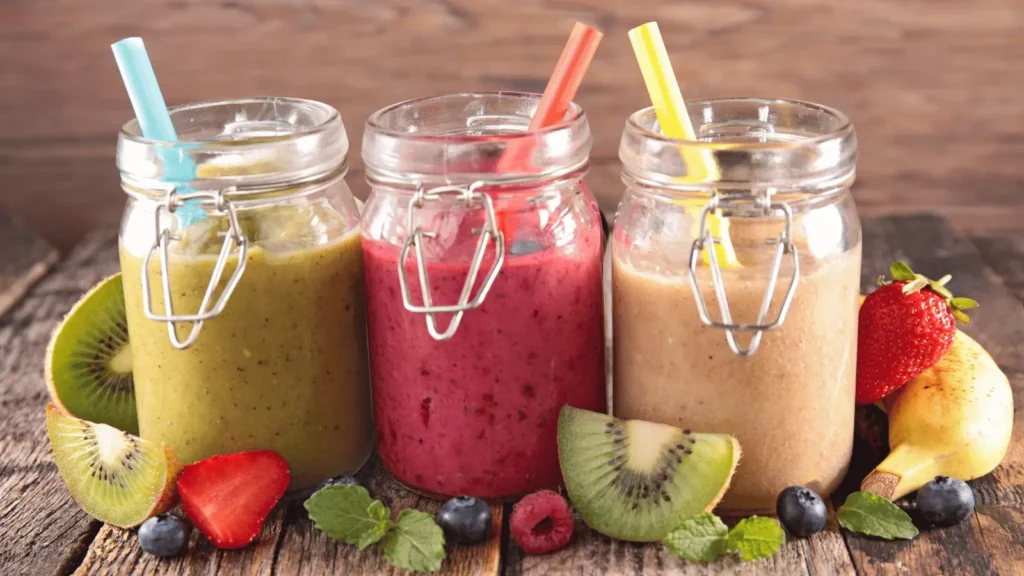
These are a versatile option that can be customized with various soft fruits to provide a wide range of nutrients. Fruits like bananas, berries, and mangoes are not only delicious but also rich in vitamins, minerals, and antioxidants that support healing. Blending fruits into a smoothie makes them easier to consume without the need for chewing, which can be uncomfortable after a tooth extraction. Adding a liquid base like milk or yogurt can also increase the protein and calcium content of the smoothie, further aiding in recovery.
Soup

Broth-based soups are hydrating and can provide essential nutrients without requiring much chewing. Chicken or vegetable broth can be soothing to the mouth and throat, making it easier to eat after a dental procedure. Soups can also be a good source of protein and vitamins, depending on the ingredients used. Adding soft vegetables or cooked grains to the soup can enhance its nutritional value and make it more filling.
Oatmeal
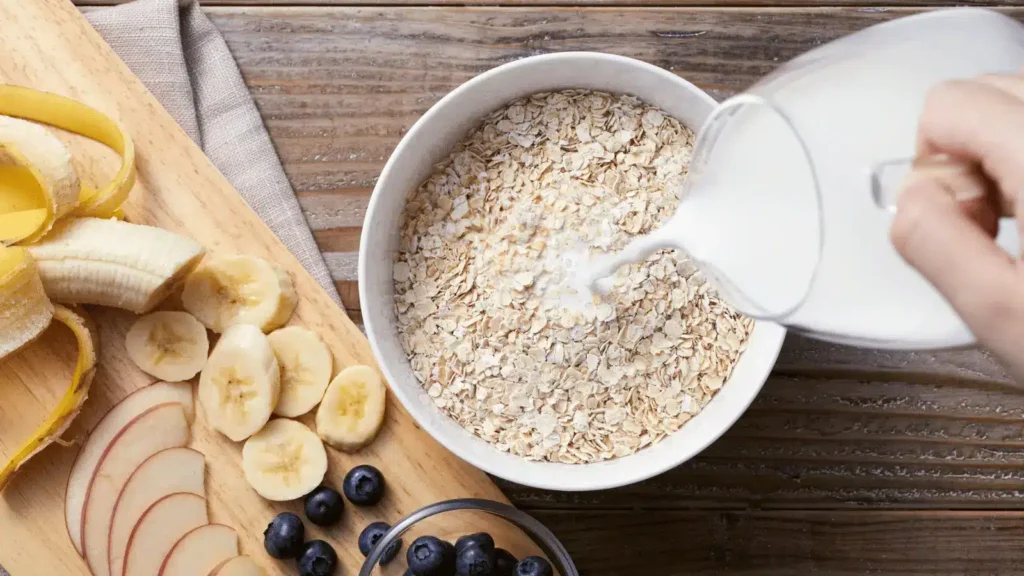
It is a nutritious and filling option that can be easily customized with soft toppings like mashed bananas or applesauce. Oats are rich in fiber, which can promote digestion and help prevent constipation, a common side effect of pain medications. Oatmeal can also provide energy and keep you feeling full longer, making it a satisfying choice for breakfast or snacks during the recovery period. Adding soft toppings can enhance the flavor and nutritional value of oatmeal without adding difficulty to chew.
Scrambled Eggs

This is a soft dish and easy to chew, making it an excellent source of protein after a tooth extraction. Protein is essential for tissue repair and regeneration, which is crucial for healing after a dental procedure. Eggs are also a good source of nutrients like vitamin D, which is essential for calcium absorption and bone health. Scrambled eggs can be easily prepared with a soft texture, making them a comfortable option for post-extraction meals.
Cottage Cheese
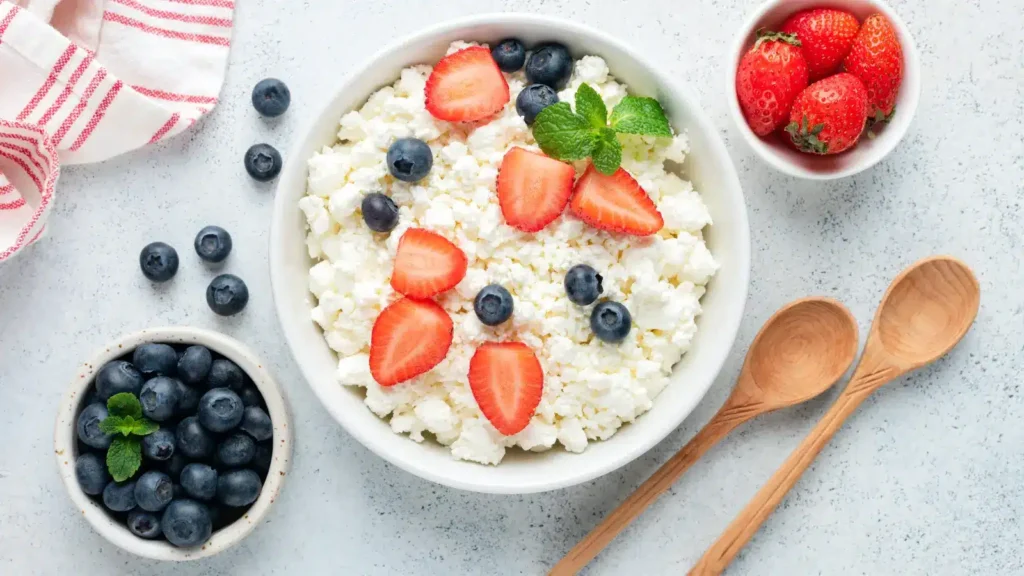
Initially, cottage cheese presents itself as a remarkably soft and easy-to-eat food, consequently making it an exceptionally suitable option following a tooth extraction. Furthermore, this delightful dairy product is abundantly rich in both protein and calcium. Notably, these nutrients are absolutely essential for efficient tissue repair and, moreover, for maintaining the strength of both teeth and bones. Specifically, calcium plays a crucial role, being indispensable for bone regeneration, which in turn is vitally important for proper healing after any dental procedure. Ultimately, cottage cheese can be savored on its own; alternatively, it can be wonderfully mixed with soft fruits, thereby providing both added flavor and enhanced nutrition.
Pudding
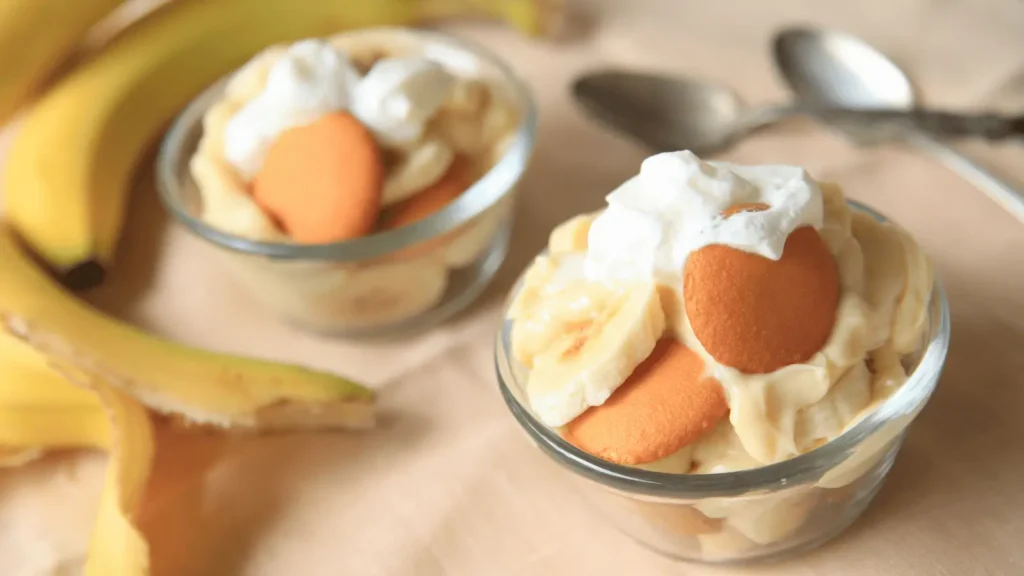
A comforting and easy-to-eat dessert option that can provide calories for energy during the recovery period. While it is high in sugar, opting for sugar-free or low-sugar varieties can minimize the risk of irritating the extraction site. The pudding is soft and smooth, making it easy to swallow without requiring much chewing. It can be a satisfying treat during the healing process, providing a source of energy and comfort.
Smooth Nut Butter
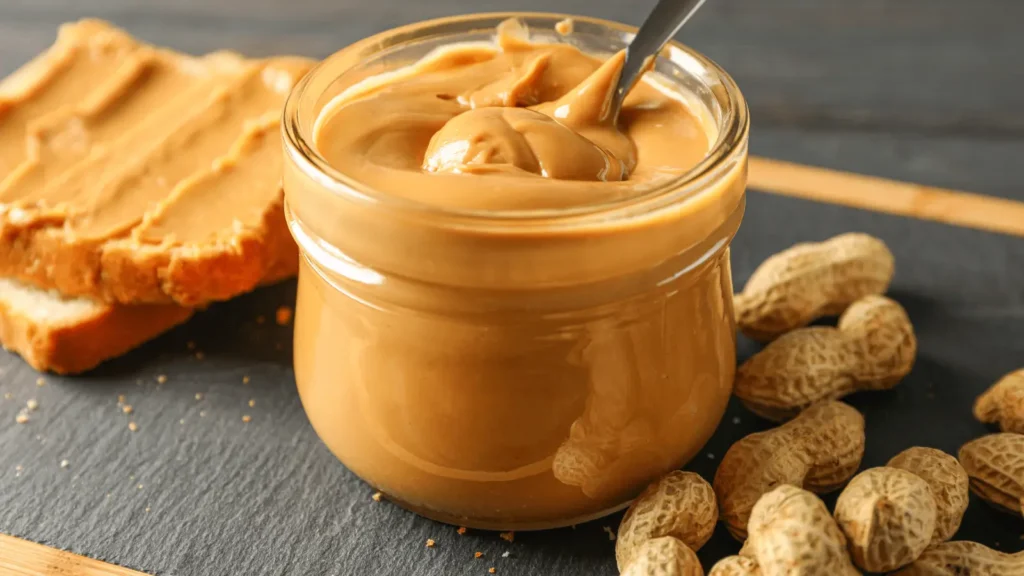
Similar to peanut or almond butter, they are rich in protein and healthy fats, which can support healing and provide sustained energy. Also, nut butters are soft and easy to swallow, making them a convenient option for post-extraction meals. They can be spread on soft bread or crackers for added texture and flavor. Nut butters are also a good source of vitamins and minerals, including vitamin E, which can promote skin healing and reduce inflammation.
Conclusion
Choosing the right soft foods after tooth extraction is essential for a smooth recovery. By incorporating these nutritious options into your diet, you can ensure that you’re getting the nutrients you need while promoting healing and reducing discomfort. Remember to follow your dentist’s recommendations and avoid foods that are too hot, spicy, or hard, as they can irritate the extraction site and slow down your recovery. With the right diet and care, you’ll be back to normal in no time.
Secure Tooth Extraction in Charlotte NC
If you’re seeking reliable tooth extraction in Charlotte, NC, look no further than Promenade Center For Dentistry Charlotte. Our experienced team of dentists in Charlotte, NC, is dedicated to ensuring a comfortable and secure tooth extraction process for all patients. With our expertise and personalized care, you can trust us to handle your dental needs precisely and compassionately. Whether routine extraction or a more complex procedure, we prioritize your well-being and strive to deliver exceptional results. Visit Promenade Center For Dentistry Charlotte today for top-notch dental care in Charlotte, NC.
FAQ on Soft Foods To Eat After Tooth Extraction
For dinner after a tooth extraction, stick to soft, nutritious meals that require minimal chewing. Great options include creamy mashed potatoes with soft, shredded chicken, blended soups like tomato or pumpkin, scrambled eggs, or well-cooked pasta with smooth sauces. Avoid anything hot, spicy, or crunchy on the first night.
Pro Tip: Make food lukewarm and eat slowly using the opposite side of your mouth.
During the first night, sleep with your head elevated using extra pillows to reduce bleeding and swelling. Avoid sleeping flat or on the side of the extraction site. Also, skip using straws, don’t rinse vigorously before bed, and avoid smoking, as these can disrupt clot formation.
Bonus Tip: Use an old pillowcase or towel to catch potential overnight drool or bleeding.
To prevent dry socket, avoid drinking through straws, smoking, or vigorous rinsing for at least 3–5 days. Stick to soft foods, avoid touching the site with your tongue or fingers, and follow your dentist’s aftercare instructions. Maintain gentle oral hygiene around the area.
⚠️ Dry Socket Warning: If you experience sharp pain 2–4 days after extraction, contact your dentist immediately.