

Invisalign aligners are an effective, modern alternative to traditional braces. However, discomfort is a common side effect, particularly when transitioning to a new set of trays. The aligners exert gentle, controlled pressure on the teeth, which gradually moves them into their desired position. This process can cause temporary soreness or pain, particularly during the first few days of wearing a new set of trays. Understanding why this happens and how to manage the pain is essential for a smoother Invisalign experience.
Table of Contents
- What Is Invisalign?
- Is Invisalign Painful?
- How Long Does The Discomfort Last?
- 5 Tips for Invisalign Pain Relief
- Stay Away from Invisalign Pain with the following Routine
- How to Relieve Tooth Pain from Invisalign
- What To Do If Pain Does Not Reduce?
- What Medicine to Take for Invisalign Pain Relief
- When to Take Pain Relievers for Invisalign Pain
- Important Considerations
- Frequently Asked Questions about Invisalign Pain
What Is Invisalign?
A series of clear braces created to order called Invisalign covers your teeth and gradually moves them into the correct position. They are less apparent than conventional metal braces since they are clear and removable.
Is Invisalign Painful?
Although Invisalign is an excellent alternative for straightening teeth, it occasionally results in inflammation, pain, or discomfort. Most Invisalign patients perceive the pain as pressure or discomfort when their teeth realign. Compared to traditional braces, the discomfort is typically less intense, though it might vary from person to person in terms of intensity.
Dr. Tang from Promenade Dental shares his expert advice on managing Invisalign discomfort. He emphasizes that while discomfort is normal, it should never be overwhelming. In most cases, patients find that the pain subsides within a few days. If you’re still in pain after a week, it could indicate a problem with the tray’s fit or movement, and it’s worth scheduling an appointment to get things checked out.
How Long Does The Discomfort from Invisalign Last?
After wearing Invisalign for the first time and switching to a new aligner tray, patients typically experience pain with their aligners. Your teeth are changing positions for the first time, so it could hurt. Since your mouth isn’t used to this unusual position, it can be uncomfortable. Your teeth are slightly moved into a new place each time you put in a new aligner. For a few days following the procedure, your teeth can be sore. While some people only feel pain for a few days, others could feel it the entire time they receive therapy.
5 Tips for Invisalign Pain Relief
Keep in mind that the aligners are repositioning your teeth. It may only be your teeth changing and moving into their new place if you experience slight pain or discomfort. It can mean they are functioning as intended. It doesn’t mean that you have no options for easing Invisalign pain. There are various things you may do to relieve Invisalign pain.
1. Wear Your Aligners As Much As Possible
You must wear Invisalign 22 hours a day. Only take them out when you need to eat, drink, or brush your teeth. Some claim that they felt less pain by putting their aligners on for a little longer and taking them out less frequently. Your teeth may have altered if you unintentionally leave your aligners out for an extended period and then put them back in, making them more comfortable. While your teeth reposition to the aligners, this may be the source of Invisalign pain.
2. Suck On Ice-Cubes
You can use ice cubes to numb the pain-affected area. You can achieve this without removing your aligners. Do not chew the ice cubes; instead, take care to suck on them. Since teeth can become sensitive to biting into hard items when using Invisalign, chewing on solid ice may give you extra pain.
3. Put On New Aligners Before Going To Bed
When wearing new aligners, put them in the night before rather than in the morning. This will allow your teeth some time to adjust to their new position while you sleep. Since you won’t be taking the aligners on and off to eat and because you’ll be sleeping through the initial adjustment phase, it may assist with Invisalign pain relief.
4. Follow A Soft Diet
Hard foods like crackers and nuts should be avoided when your teeth are hurting since they can be uncomfortable to chew. Stick to soft items such as bread, hummus, tuna, or hard-boiled eggs that won’t hurt when you bite them.
5. Opt For Pain Relievers
If you frequently encounter Invisalign pain after switching out your aligners, you can take an over-the-counter pain reliever to avoid discomfort. Ibuprofen, aspirin, acetaminophen, or other over-the-counter medicines can always be used to treat Invisalign pain. Observe the medication’s usage instructions and suggested dosage.
Stay Away from Invisalign Pain with the following Routine:
Gum pain is a common issue, particularly when the edges of your aligners rub against sensitive areas. While this discomfort is often temporary, several targeted strategies can reduce gum irritation and promote healing.

1. Use a Soft Toothbrush
Switching to a soft-bristled toothbrush is one of the simplest yet most effective ways to alleviate gum pain caused by Invisalign. A standard toothbrush with hard bristles can further irritate already sore gums, leading to inflammation or even minor gum injuries.
- Why It Works: Soft-bristled toothbrushes are gentler on the gums, minimizing abrasion while still effectively removing plaque and food particles. This helps maintain gum health without causing additional irritation.
- How to Choose: Look for toothbrushes labeled “soft” or “extra soft.” Brands like Oral-B and Sensodyne offer specially designed toothbrushes for sensitive gums.
- Tip: Brush your teeth in gentle, circular motions rather than using a scrubbing action to avoid exacerbating gum discomfort.
2. Gum Massages
Gently massaging your gums can improve circulation and reduce inflammation, helping to ease the discomfort caused by Invisalign aligners. Regular gum massages can also improve gum health over time.
- Why It Works: Massaging the gums increases blood flow to the area, which promotes healing and reduces swelling. This technique can also help loosen any tension caused by the pressure of the aligners on your gums.
- How to Massage: Use clean fingers to gently rub your gums in a circular motion. Start from the front and work your way toward the back of your mouth. Be careful not to press too hard; the goal is to stimulate circulation, not to cause further discomfort.
- Tip: For added relief, you can use a small amount of vitamin E oil or aloe vera gel (both of which have healing properties) during the massage.
3. Aloe Vera Gel or Vitamin E Oil
Both aloe vera and vitamin E have natural healing and soothing properties, making them excellent choices for treating gum irritation caused by Invisalign aligners.
- Aloe Vera Gel:
- Why It Works: Aloe vera is known for its anti-inflammatory, antimicrobial, and healing properties. It can help soothe irritated gums, reduce swelling, and prevent infection in areas where the aligners may have caused small abrasions.
- How to Use: Apply a small amount of pure aloe vera gel (preferably from a pharmacy or health store) directly to the sore areas of your gums. Let it sit for a few minutes before rinsing your mouth, or simply allow it to absorb.
- Tip: Avoid aloe vera products with added chemicals, dyes, or fragrances, as these can irritate the gums further.
- Vitamin E Oil:
- Why It Works: Vitamin E oil is rich in antioxidants and has reparative qualities that promote tissue regeneration. It can speed up the healing of minor cuts or abrasions on the gums and provide a protective barrier.
- How to Use: Using a clean finger or a cotton swab, gently apply a small amount of vitamin E oil directly to the irritated areas. You can leave it on overnight for maximum effectiveness or apply it throughout the day as needed.
- Tip: Vitamin E oil can also help maintain overall gum health, so consider using it regularly to prevent further issues.
4. Oral Gels (e.g., Orajel)
Over-the-counter oral pain relief gels, like Orajel, can provide fast-acting relief for gum pain. These gels contain active ingredients that numb the sore areas, offering temporary relief from discomfort.
- Why It Works: Most oral gels contain benzocaine, a local anesthetic that numbs the tissue, providing immediate relief from gum pain and irritation. Some gels also contain antiseptic ingredients that help prevent infection in cases where the gums may be slightly injured.
- How to Use: Apply a small amount of the gel directly to the affected gum area using a clean finger or a cotton swab. The numbing effect usually takes place within a minute or two and can last for several hours.
- Tip: Follow the instructions on the packaging and avoid using too much, as oral gels are meant for short-term relief. If gum pain persists, consult your dentist for advice on long-term solutions.
How to Relieve Tooth Pain from Invisalign
Cold Compresses

Applying a cold compress is one of the quickest ways to alleviate pain and reduce swelling associated with Invisalign. Cold therapy constricts blood vessels, numbing the area and decreasing inflammation. This is particularly helpful in the first 24-48 hours after switching to a new set of trays, as your teeth are adjusting to the new pressure.
How to Use:
- Wrap a few ice cubes in a clean cloth or use a gel ice pack and apply it to the outside of your cheek near the area of discomfort.
- Hold the compress in place for about 15-20 minutes, then remove it for 20 minutes before reapplying if necessary.
- Avoid applying the ice directly to your skin to prevent frostbite or irritation.
Why It Works: Cold therapy helps numb the nerves in the affected area, reducing your perception of pain. Additionally, it reduces swelling and inflammation in the tissues surrounding your teeth, providing further relief. For best results, apply a cold compress periodically throughout the day, especially when the pain is most intense.
Orthodontic Wax
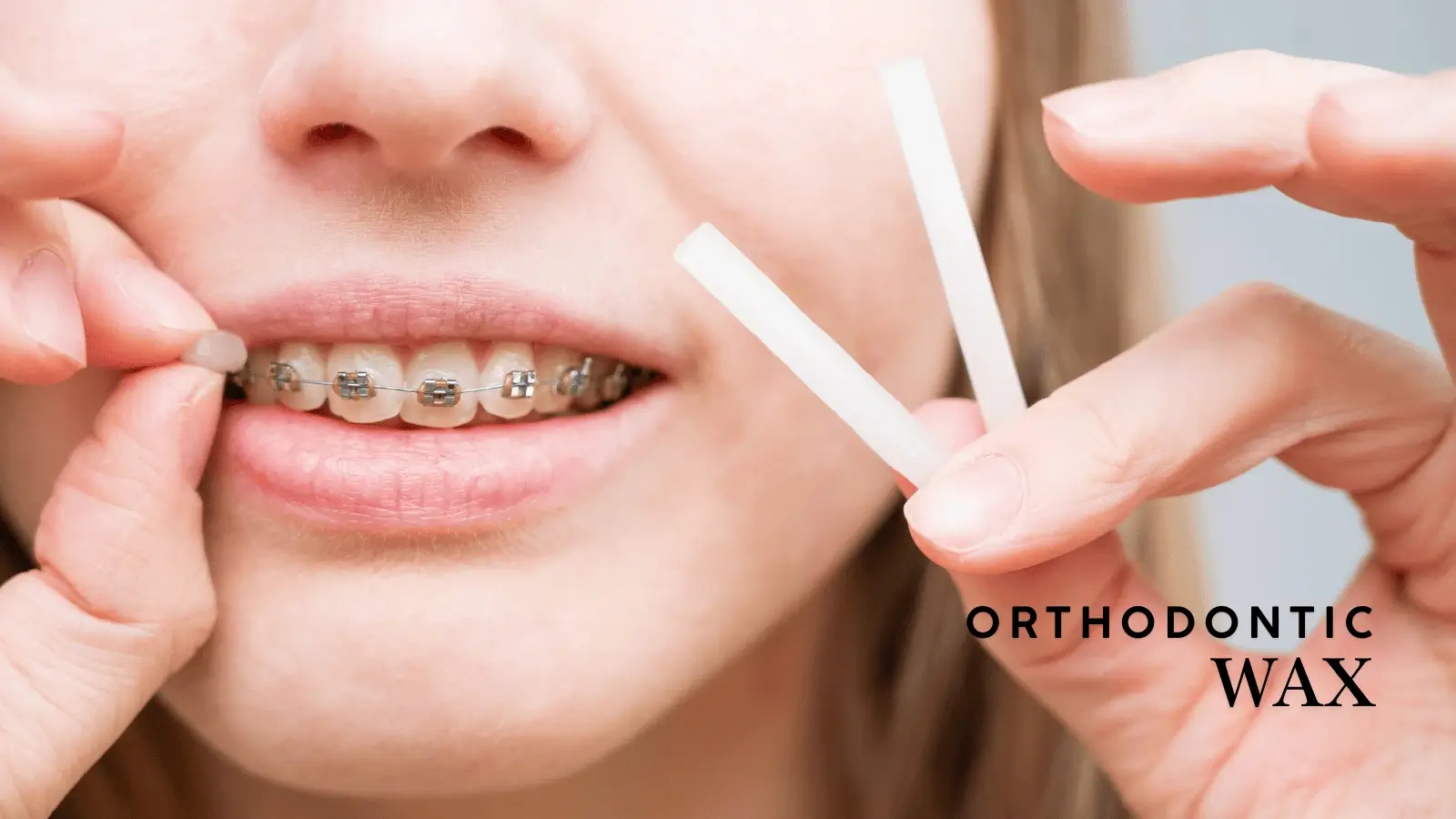
Orthodontic wax is a must-have for Invisalign users, particularly when new trays irritate the mouth. The edges of your aligners can sometimes rub against your gums, lips, or the inner lining of your cheeks, causing sores or discomfort. Orthodontic wax acts as a protective barrier between the aligners and the soft tissues of your mouth.
How to Use:
- Take a small piece of wax and roll it between your fingers to soften it.
- Apply the softened wax to any rough or sharp edges on your aligners that are irritating.
- Be sure to remove the wax before eating or drinking and replace it afterward.
Why It Works: The wax creates a smooth surface, reducing the friction between your aligners and your gums or inner cheeks. This minimizes the risk of developing painful sores or ulcers, especially when you are adjusting to a new set of trays. Regularly using orthodontic wax is a proactive way to prevent discomfort and keep your mouth pain-free.
Saltwater Rinses

Warm salt water rinses are a tried-and-true remedy for soothing sore gums and reducing inflammation. Salt has natural anti-inflammatory and antibacterial properties, which help reduce swelling and speed up the healing process for irritated tissues.
How to Use:
- Dissolve 1 teaspoon of salt in a glass of warm water.
- Swish the solution around your mouth for 30 seconds, focusing on the areas where you feel the most discomfort.
- Spit the solution out and repeat this process 2-3 times a day, especially after meals and before bedtime.
Why It Works: Saltwater rinses help reduce swelling and promote healing by cleaning the area and reducing the bacterial load in the mouth. This can be particularly beneficial if your gums are inflamed or if you develop small sores from the aligners rubbing against your mouth. The warmth of the water also helps improve circulation in the gums, further promoting healing.
Soft Foods

Eating the wrong foods can increase discomfort, especially during the first few days after switching to a new set of trays. Hard, crunchy, or chewy foods put added pressure on your teeth and can exacerbate soreness. Sticking to soft foods during this time allows your teeth to adjust to the new pressure from the aligners without additional strain.
What to Eat:
- Opt for foods that require little to no chewing, such as yogurt, smoothies, scrambled eggs, mashed potatoes, soups, and oatmeal.
- Avoid hard foods like nuts, raw vegetables, or candies, as well as chewy foods like bagels or steak, which can cause more discomfort.
Why It Works: Soft foods require minimal chewing, reducing the pressure placed on your teeth and gums. This is particularly important during the first 48-72 hours after changing trays, as your teeth are shifting into their new positions. By eating soft foods, you allow your mouth to heal and adjust without further aggravating any existing pain or discomfort.
Stay Consistent
Wearing your Invisalign aligners for the recommended 22 hours per day is crucial for minimizing discomfort. While it may be tempting to remove them when the pain becomes bothersome, doing so can actually prolong your treatment and increase discomfort in the long run. Consistent wear allows your teeth to adjust more quickly, reducing the duration of pain after each tray switch.
How to Stay Consistent:
- Wear your aligners throughout the day and night, only removing them to eat, drink (anything other than water), brush, and floss.
- If you take your aligners out for an extended period, the teeth may start to shift back, which can lead to increased pain once the aligners are reinserted.
- Set reminders or alarms on your phone to ensure you don’t forget to put your aligners back in after meals or brushing.
Why It Works: The more consistent you are with wearing your aligners, the faster your teeth will adapt to the new trays. This reduces the overall duration of discomfort as your teeth spend less time in transition. By sticking to the recommended 22-hour wear time, you’ll help your treatment stay on track and keep the pain to a minimum.
What To Do If Pain Does Not Reduce?
When using Invisalign for the first time, patients frequently feel more pain. Many patients claim their discomfort decreases as they get accustomed to their aligners and their teeth changing. Sometimes you have to put up with things for a little while to get used to the new normal. After a few months of wearing Invisalign, your pain may have disappeared or at least significantly decreased. Overall, Invisalign is typically less painful than more conventional teeth-straightening procedures. Many people who wear their aligners only experience minor discomfort or pressure. There are several ways to treat Invisalign pain if it does occur.
What Medicine to Take for Invisalign Pain Relief
If the discomfort from Invisalign becomes more persistent, over-the-counter (OTC) pain relievers can provide relief. However, it’s essential to use them appropriately and consider individual health conditions before taking any medication. Below are some common OTC options and general guidelines on when and how to use them.
Ibuprofen (Advil, Motrin)
Ibuprofen is a widely used nonsteroidal anti-inflammatory drug (NSAID). It works by reducing inflammation, which in turn can relieve pain and swelling caused by the pressure exerted by Invisalign trays on your teeth. Here’s what you should generally know:
- Anti-inflammatory Benefits: Since ibuprofen addresses both pain and inflammation, it can be particularly effective when your gums are swollen or tender due to the movement of your teeth.
- Short-term Use: Ibuprofen can help manage discomfort for the first few days of wearing a new set of aligners. Many people find that the pain subsides significantly after this initial period.
- Caution: While ibuprofen can be effective, it’s important not to overuse it. Taking NSAIDs regularly for extended periods could lead to stomach irritation or other side effects. If you’re taking other medications or have pre-existing health conditions (such as ulcers or kidney issues), it’s wise to consult with a healthcare professional before using ibuprofen.
General Tip: If you are unsure about taking ibuprofen, consider starting with the lowest effective dose and following the instructions on the package. If pain persists beyond what ibuprofen typically helps with, it’s a good idea to consult your dentist.
Acetaminophen (Tylenol)
Acetaminophen, unlike ibuprofen, is not an anti-inflammatory drug. It’s more focused on relieving pain and reducing fever, making it an alternative for individuals who cannot take NSAIDs due to health reasons.
- Pain Relief without Inflammation Reduction: Although acetaminophen won’t reduce any swelling or inflammation that may come with Invisalign pain, it is effective at blocking the pain signals to your brain, offering relief from discomfort.
- Suitable for Sensitive Stomachs: Acetaminophen tends to be gentler on the stomach than NSAIDs, which may make it a better option for those with gastrointestinal sensitivities.
- Caution: Like all pain relievers, acetaminophen should be used according to the recommended dosage. Overdosing, especially when combined with other medications that contain acetaminophen, can lead to serious liver damage. Always be mindful of the total amount of acetaminophen you are taking in one day, especially if you’re using other products that contain it (such as cold or flu medications).
General Tip: Acetaminophen is a good option for those who cannot tolerate NSAIDs, but it’s still important to consult with a healthcare provider if you have any underlying conditions that could affect how your body processes medications.
When to Take Pain Relievers for Invisalign Pain
Timing your medication can make a big difference in managing pain effectively. Consider these general practices:
- Preemptive Approach: Some orthodontists suggest taking a pain reliever for about 30 minutes before inserting a new set of aligners. This proactive step can help reduce the initial discomfort that often comes when your teeth begin adjusting to the pressure of new trays.
- For Short-Term Use: Most patients find that the pain subsides after the first 2–3 days of wearing a new set of aligners. During this time, taking pain relievers at regular intervals, as per the medication instructions, can help manage discomfort. However, it’s important to avoid relying on pain relievers beyond this initial adjustment period unless advised by your orthodontist or healthcare provider.
General Tip: Everyone’s tolerance to pain and medication is different, so you may need to experiment with what timing works best for you. It’s also helpful to track how long the discomfort lasts after each new tray is fitted, which can help you prepare for future tray changes.
Important Considerations
- Dosage: Always adhere to the dosage instructions provided by your dentist. Taking too much of any pain reliever, whether ibuprofen or acetaminophen, can lead to adverse effects such as stomach issues, kidney problems, or liver damage.
- Duration of Use: Pain relievers should be used temporarily for short-term pain management. If the pain persists beyond a few days or becomes more intense, it could indicate a problem with the aligner fit or another dental issue, and you should contact your dentist or orthodontist.
- Individual Health Factors: If you have underlying health conditions, are on other medications, or are pregnant or breastfeeding, it’s especially important to consult a healthcare professional before taking any over-the-counter medication for Invisalign pain.
Invisalign can be painful for a few days after you start using them. However, these aligners can help to straighten your teeth and improve your dental health discreetly. Consult your dental care professional if your pain persists or could lead to other complications.
You can now save money by going for Invisalign treatment at Promenade Center For Dentistry. We are providing excellent offers on Invisalign service by partnering with Gladwell Orthodontics, the #1 Invisalign provider in North Carolina. So, why wait anymore? Schedule your visit with us and achieve a perfectly aligned smile.
Frequently Asked Questions about Invisalign Pain
Most patients experience discomfort for 1–3 days after switching to a new set of aligners. The pain typically decreases as your teeth adjust.
No, pain should only be temporary, especially after switching to a new tray. If pain persists beyond a week or becomes unbearable, consult your orthodontist.
Yes, over-the-counter pain relief gels like Orajel can help numb sore spots inside your mouth or gums.
If your pain lasts more than a week or feels intense, it’s best to contact your orthodontist. The aligners could be faulty, or other dental problems may be contributing to the discomfort.
While ibuprofen can alleviate Invisalign discomfort, some dental professionals advise against its use, as it may slow tooth movement by reducing the inflammation necessary for realignment. It’s best to consult your dentist before using ibuprofen for Invisalign pain.