

Are you considering dental implant surgery but apprehensive about the pain? The good news is that your dentist plays a crucial role in minimizing discomfort during the procedure. In this blog post, we’ll explore how your dentist can help alleviate pain and ensure a smooth recovery after implant surgery. From sedation options to personalized treatment plans, find out how partnering with an experienced and compassionate dental professional can make all the difference. So sit back, relax, and let’s dive into the world of pain-free dental implant surgery!
What is a Dental Implant?
Your dentist plays a vital role in minimizing pain during dental implant surgery. Here are a few things you can expect from your dentist:
First, your dentist will numb the area around the implant site with a local anesthetic. This will help to minimize any discomfort during the procedure.
Next, your dentist will make a small incision in the gums to expose the bone. A titanium post will then be placed into the bone and allowed to fuse with it over time.
Once the post is in place, your dentist will close the incision with stitches. A temporary tooth may then be placed on top of the implant until your permanent tooth is ready to be placed.
The entire process can take several months, but it is important to follow your dentist’s instructions carefully to minimize any discomfort and ensure successful healing.
What Factors Affect the Amount of Pain Experienced During Surgery?
There are several factors that can affect the amount of pain experienced during surgery, including:
- The type of procedure being performed.
- The location of the surgery (e.g., mouth, jaw, etc.).
- The individual’s pain tolerance.
- The use of anesthesia or other pain management techniques.
Some people may experience more pain than others due to these factors, but overall, most dental implant surgeries are not overly painful. In fact, many patients report feeling little to no pain during and after the procedure.
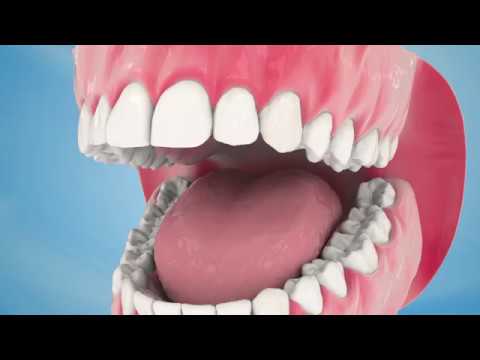
Source: Dental Health Society
How Can Your Dentist Minimize Pain During Dental Implant Surgery?
Your dentist can minimize pain during dental implant surgery by using a variety of techniques. One standard method is to numb the area around the implant site with a local anesthetic. This numbs the nerves and helps to prevent pain signals from reaching the brain. Other techniques your dentist may use include placing a dental dam (a thin sheet of rubber) over the implant site to isolate it from other teeth or using sedation dentistry to help you relax during the procedure.
Pain Management Techniques Used During and After the Procedure
There are a variety of pain management techniques that may be used during and after dental implant surgery. Your dentist will work with you to determine the best approach for your individual needs.
Some common techniques that may be used include:
- Local anesthesia: This is typically used during the surgery itself to numb the area around the implant site.
- Sedation: This can be used before or during the procedure to help you relax. There are different types of sedation, and your dentist will discuss the best option for you.
- Pain medication: You may be prescribed pain medication to help manage discomfort after the surgery. It is important to take these medications as directed by your dentist or doctor.
- Ice: Applying ice to the outside of your mouth (in the area of the surgery) can help reduce swelling and pain.
Alternatives to Dental Implants
There are a few alternatives to dental implants that your dentist may suggest, depending on your individual case. One option is called a mini implant, which is a smaller version of a traditional dental implant. This option may be recommended if you have limited bone density in your jaw. Another alternative is called a zygomatic implant, which is placed in the cheekbone rather than the jaw. This option may be recommended if you are missing multiple teeth in an arch. Lastly, your dentist may suggest a denture or bridge as an alternative to dental implants.
Conclusion
Dental implant surgery can be a daunting experience, but with the right dentist, you can minimize your pain and have a successful procedure. Your dentist should use numbing agents to ensure that you are as comfortable as possible throughout the entire process. Additionally, they should provide detailed instructions for aftercare to help reduce any potential pain or discomfort during recovery. With an experienced and knowledgeable dental team on your side, you’ll be able to get through this procedure with minimal stress and anxiety while feeling confident in your smile once more.