

Dental fillings are essential for restoring teeth that have been affected by decay or damage. However, over time, these restorations may deteriorate, leading to various oral health issues. Understanding when and how to replace old dental fillings is crucial for maintaining optimal dental health and aesthetics.
Understanding the Need to Replace Old Dental Fillings
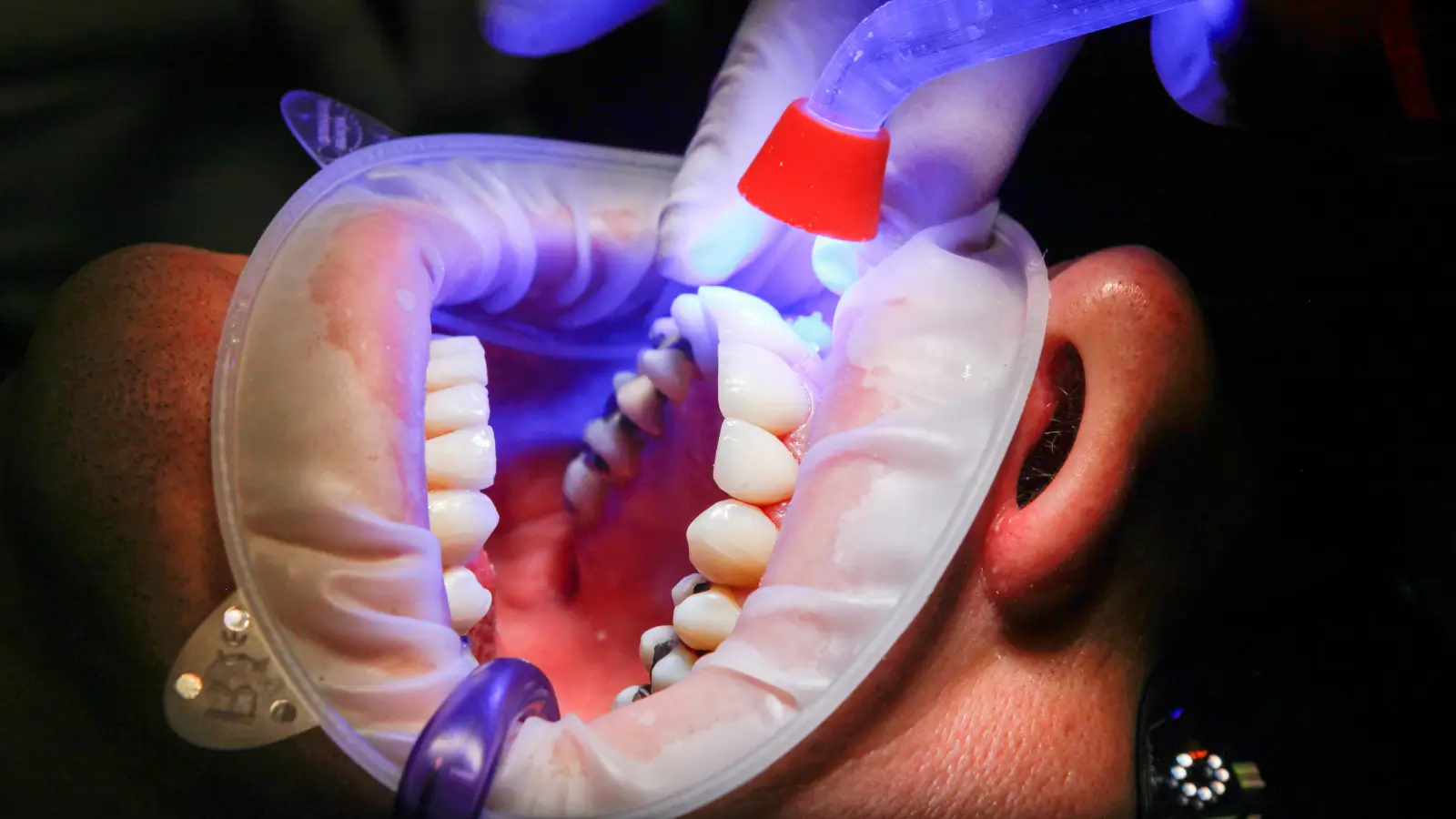
Signs Your Fillings May Need Replacement
- Discoloration or Darkening: Old amalgam fillings can cause a grayish hue in the surrounding tooth structure, affecting the tooth’s appearance. This is a common reason patients seek Cosmetic Dental Treatment to restore a more natural, aesthetically pleasing smile.
- Cracks or Fractures: Fillings can crack or wear down over time, compromising the tooth’s integrity.
- Sensitivity: Increased sensitivity to hot, cold, or sweet stimuli may indicate a compromised filling.
- Decay Around the Filling: Secondary caries can develop at the margins of old fillings, necessitating replacement.
- Loose or Missing Fillings: A filling that has become loose or fallen out requires immediate attention.
Risks of Retaining Deteriorated Fillings
Neglecting to replace compromised fillings can lead to:
- Tooth Decay: Gaps or cracks in fillings can harbor bacteria, leading to further decay.
- Tooth Fracture: Weakened fillings may not support the tooth adequately, increasing the risk of fractures.
- Infection: Decay beneath a filling can progress to the pulp, potentially necessitating root canal therapy.
Evolution of Dental Filling Materials
Traditional Amalgam Fillings
Amalgam fillings, composed of a mixture of metals including mercury, silver, tin, and copper, have been used for over a century. They are known for their durability, often lasting 10 to 15 years or more. However, concerns about aesthetics and mercury content have led to a decline in their popularity.
Composite Resin Fillings
Composite resins are tooth-colored materials that offer a more natural appearance. They bond directly to the tooth structure, providing support and reducing the risk of leakage. Advancements in composite technology have improved their durability, with studies showing survival rates of over 80% at 10 years.
Ceramic and Porcelain Fillings
Ceramic fillings, including porcelain inlays and onlays, offer excellent aesthetics and are resistant to staining. They are suitable for larger restorations and can last between 8 to 10 years or longer with proper care.
Gold Fillings
Gold fillings are highly durable, often lasting 20 years or more. However, their metallic appearance and higher cost make them less popular for visible areas.
Glass Ionomer Fillings
Glass ionomer materials release fluoride, which can help prevent further decay. They are typically used for non-load-bearing areas and have a shorter lifespan compared to other materials.
Modern Techniques for Replacing Fillings
Minimally Invasive Dentistry
Advancements in dental technology have led to techniques that preserve more of the natural tooth structure. Air abrasion and laser dentistry allow for the precise removal of decay with minimal discomfort.
Digital Dentistry
Computer-Aided Design and Manufacturing (CAD/CAM) technology enables the creation of precise, custom-fit restorations in a single visit. This approach enhances the fit and longevity of the replacement filling.
Bioactive Materials
Bioactive fillings interact with the tooth structure, releasing minerals like calcium and phosphate to promote remineralization and prevent further decay.
Factors Influencing the Choice of Replacement Material
- Location of the Filling: Posterior teeth require materials that can withstand higher chewing forces, such as amalgam or ceramic.
- Size of the Restoration: Larger cavities may benefit from inlays, onlays, or crowns for better structural support.
- Aesthetic Considerations: For visible areas, dentists prefer tooth-colored materials like composite or porcelain.
- Patient’s Oral Habits: Bruxism or clenching may necessitate more durable materials.
- Cost and Insurance Coverage: The choice may also depend on the patient’s budget and insurance provisions.
The Replacement Process: What to Expect
- Evaluation: The dentist will assess the condition of existing fillings and determine the need for replacement.
- Removal: The old filling is carefully removed, and any decay is cleaned out.
- Preparation: The cavity is prepared for the new filling, ensuring proper shape and cleanliness.
- Placement: The new filling material is placed, shaped, and polished for a comfortable fit and natural appearance.
- Aftercare: Post-procedure instructions are provided to ensure proper healing and longevity of the restoration.
Maintaining Your New Fillings
- Oral Hygiene: Brush twice daily and floss regularly to prevent decay around the new fillings.
- Regular Dental Visits: Schedule check-ups every six months for professional cleaning and examination.
- Dietary Considerations: Limit sugary and acidic foods that can compromise the integrity of fillings.
- Avoid Hard Foods: Chewing on hard substances can damage fillings; avoid ice, hard candies, and similar items.
Conclusion
Replacing old dental fillings is a vital aspect of maintaining oral health and aesthetics. With advancements in dental materials and techniques, patients have access to durable, natural-looking restorations that enhance both function and appearance. If you suspect your fillings may need replacement, consult with your dentist to explore the best options tailored to your needs.