
Missing teeth can be more than just a cosmetic concern; they can impact your overall health and confidence. If you’re seeking a reliable, long-term solution for tooth replacement, dental implants might be your best bet. Not only do they mimic the look and feel of natural teeth, but they also offer unparalleled stability and functionality.
In this blog, we’ll dive into why dental implants stand out as the safest choice for replacing missing teeth. We’ll explore how they integrate with your jawbone, compare them with other options like dentures and bridges, and highlight their long-term benefits.
Whether you’re considering implants or just curious about your options, read on to discover why these modern marvels could be the perfect fit for your dental needs.
Dental Implants: What Should You Know About Them?
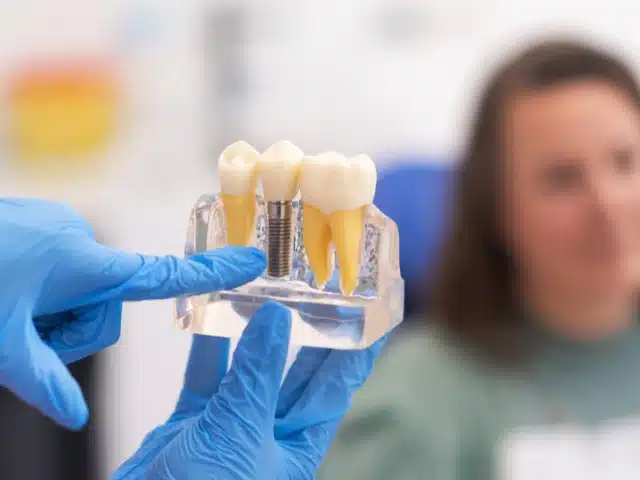
Dental implants are a revolutionary solution for replacing missing teeth. They consist of three main components: a titanium post inserted into the jawbone, an abutment that connects the post to the crown, and the crown itself, which mimics the appearance of a natural tooth. Unlike bridges and dentures, implants are anchored securely into the jawbone, providing a stable foundation for the replacement tooth.
- Definition and Components: Implants are designed to replace missing teeth with a natural-looking and functional solution. The titanium post integrates with the jawbone, the abutment connects to the post, and the crown completes the restoration.
- Comparison with Other Options: Bridges and dentures are traditional options that rest on existing teeth or gums. Bridges rely on surrounding teeth for support, and dentures can shift or be uncomfortable. But implants provide a more permanent and stable solution.
The Safety of Dental Implants
Dental implants are one of the safest tooth replacement options available. They are designed to integrate seamlessly with your jawbone, a process called osseointegration, which ensures a secure and stable fit.
- Integration with Jawbone: Osseointegration allows the titanium post to fuse with the jawbone, creating a strong and durable base for the artificial tooth.
- Biocompatible Materials: Implants are made from biocompatible materials, primarily titanium, which the body accepts without issue.
- Low Risk of Complications: Compared to other methods, dental implants have a low risk of rejection and complications, thanks to their high success rate and careful surgical procedures.
Longevity and Durability
When it comes to long-term value, dental implants outshine many other tooth replacement options. Their durability makes them a cost-effective choice over time.
- Lifespan of Implants: The implants can last several decades with proper care, whereas bridges and dentures typically need replacement or adjustment more frequently.
- Factors for Longevity: The success and longevity of implants depend on factors like bone density, oral hygiene, and regular dental check-ups.
- Success Stories and Statistics: Studies show high success rates for dental implants, with many patients enjoying long-term durability and satisfaction.
Enhanced Functionality and Comfort
Dental implants are designed to restore both the function and comfort of natural teeth, offering a superior experience compared to other tooth replacement methods.
- Restoring Function: Implants enable normal chewing and speaking functions, closely replicating the performance of natural teeth.
- Comparison with Dentures: Unlike removable dentures, implants are fixed in place, providing a more comfortable and stable fit.
- Natural Feel and Appearance: Implants are crafted to blend seamlessly with your existing teeth, offering a natural look and feel.
Preserving Jawbone Health
One of the key advantages of dental implants is their role in preserving jawbone health and maintaining facial structure.
- Preventing Bone Loss: Implants stimulate the jawbone, preventing the bone loss that typically occurs when teeth are missing.
- Maintaining Facial Structure: By preserving bone density, implants help maintain facial contours and prevent the sagging that can occur with missing teeth.
Cost Considerations and Value
While dental implants may have a higher initial cost compared to other options, they offer significant long-term value and benefits.
- Initial Costs vs. Long-Term: The upfront cost of implants can be higher, but they often prove to be more economical over time due to their longevity and minimal maintenance needs.
- Investing in Implants: Implants’ value extends beyond cost. They offer improved oral health, functionality, and quality of life, making them worthwhile investments.
Choosing dental implants for replacing missing teeth isn’t just a matter of aesthetics—it’s about long-term health, comfort, and functionality. Implants offer a secure, natural-looking solution that integrates with your jawbone and preserves oral health. Their durability and ability to prevent bone loss make them a standout choice. As you consider your options, remember that investing in implants means investing in your overall quality of life and future oral health.