

Invisalign is a clear aligner system that has revolutionized the orthodontic industry. It is a popular alternative to traditional braces because it is virtually invisible, comfortable to wear, and can achieve the same results as braces in many cases.
One of the reasons why Invisalign is so popular is because it is very versatile. It can be used to treat a wide range of orthodontic issues, including crowded teeth, spacing issues, overbites, underbites, and crossbites. Invisalign can even be used to treat more complex cases, such as those that require jaw surgery.
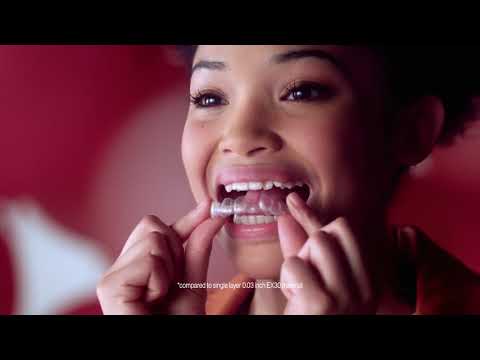
What is Invisalign and How Does It Work?
Invisalign utilizes a series of custom-made, clear aligners crafted from SmartTrack® thermoplastic material. These aligners apply gentle, controlled forces to gradually shift teeth into their desired positions. The treatment process involves:
- Initial Consultation: A comprehensive assessment, including digital scans, to create a personalized treatment plan.
- Custom Aligner Fabrication: Aligners are tailored to fit snugly over your teeth, ensuring comfort and effectiveness.
- Progressive Alignment: Patients wear each set of aligners for about 1–2 weeks, with each set moving teeth incrementally.
- Regular Check-ups: Periodic visits to monitor progress and make necessary adjustments.
- Retention Phase: Post-treatment retainers help maintain the new alignment.
This method is ideal for addressing various orthodontic issues, including crowded teeth, spacing, overbites, underbites, and crossbites.
Invisalign vs. Traditional Braces: Effectiveness and Advantages
Both Invisalign and traditional braces aim to correct dental misalignments, but they differ in approach and experience:
- Aesthetics: Invisalign aligners are virtually invisible, offering a discreet option for patients concerned about appearance.
- Comfort: Without metal brackets or wires, Invisalign reduces the risk of mouth irritation.
- Removability: Aligners can be removed for eating, brushing, and flossing, promoting better oral hygiene.
- Fewer Office Visits: Invisalign typically requires fewer check-ups compared to braces.
While Invisalign is effective for mild to moderate cases, traditional braces may be more suitable for complex orthodontic issues.
Typical Duration of Invisalign Treatment
The length of Invisalign treatment varies based on individual needs:
- Mild Cases: Approximately 6 months.
- Moderate Cases: Around 12–18 months.
- Complex Cases: Up to 24 months.
Consistent wear (20–22 hours daily) and adherence to the treatment plan are crucial for timely results.
Planning and Execution of Invisalign Treatment
Our approach to Invisalign treatment includes:
- Digital Impressions: Utilizing advanced scanning technology for precise measurements.
- Customized Treatment Plan: Leveraging software to simulate tooth movements and outcomes.
- Aligner Progression: Sequential aligners guide teeth into alignment, with periodic assessments to ensure progress.
- Refinements: If necessary, additional aligners are provided to fine-tune the results.
Our experienced provider’s expertise ensures that each step is executed with precision, maximizing the effectiveness of the treatment.
Limitations of Clear Aligners
While Invisalign offers numerous benefits, it’s essential to consider potential limitations:
- Complex Cases: Severe orthodontic issues may require traditional braces.
- Patient Compliance: Success depends on wearing aligners as prescribed.
- Discipline Required: Aligners must be removed before eating or drinking anything other than water and cleaned regularly.
A thorough consultation helps determine if Invisalign is the right choice for your specific needs.
Refinements in Aligner Treatment
Refinements are adjustments made during or after the initial treatment to achieve optimal results. They may involve:
- Additional Aligners: To address minor discrepancies.
- Attachments: Small, tooth-colored shapes that aid in complex movements.
- Elastics: Used in conjunction with aligners for bite correction.
Our provider’s extensive experience minimizes the need for refinements, ensuring a smoother treatment journey.
Managing Invisalign Pain
Some patients may experience discomfort, especially when transitioning to a new set of aligners. To alleviate this:
- Cold Therapy: Apply a cold compress to reduce inflammation.
- Over-the-Counter Pain Relievers: Medications like ibuprofen can help manage pain.
- Orthodontic Wax: Apply to areas where aligners may cause irritation.
- Soft Foods: Consume softer foods during initial days of a new aligner set.
For more detailed strategies, refer to our blog on Invisalign Pain.
At Promenade Center for Dentistry, we are committed to delivering exceptional care tailored to your unique needs. Here’s why patients in Charlotte, NC, trust us with their smiles:
- Proficiency: Our collaboration with North Carolina’s top Invisalign provider ensures that you receive care from highly adept professionals.
- Advanced Technology: We utilize cutting-edge tools and techniques for precise treatment planning and execution.
- Personalized Care: Each treatment plan is customized to align with your specific dental goals and lifestyle.
- Flexible Financing: We offer various financing options to make treatments accessible and affordable.
Choosing the right provider is crucial for successful Invisalign treatment. Our team’s experience and dedication ensure that you achieve the best possible results.