
Deciding to straighten your teeth as an adult, or helping your teenager do it, brings up a lot of questions. How long will it actually take? Will it hurt? Can you eat normally? Will people even notice you're wearing anything at all? These are the exact questions our Charlotte patients bring to their first consultation, and they deserve real, specific answers rather than vague reassurances.
That's the purpose of this article. We've pulled together the most common questions patients ask about clear aligner treatment and answered them the way we would in our office, directly and without the marketing gloss. Along the way, you'll see why having clear answers upfront isn't just helpful for peace of mind. It genuinely changes how comfortable, confident, and successful your treatment experience turns out to be.
Whether you're weighing Invisalign for adults or researching options for a teenager, understanding the process before you commit puts you in a much stronger position to make the right choice for your smile and your schedule.
How Clear Aligner Treatment Actually Works
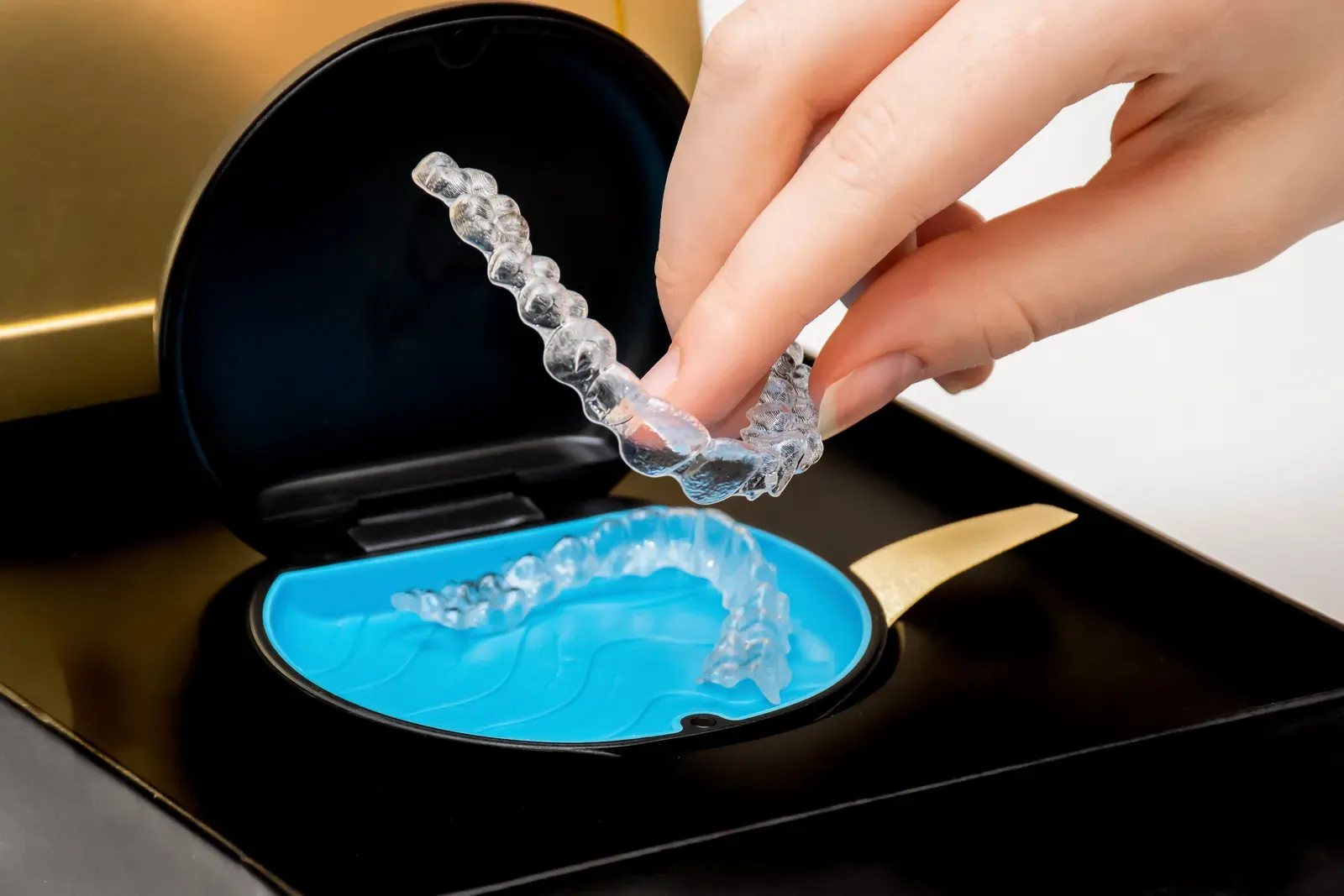
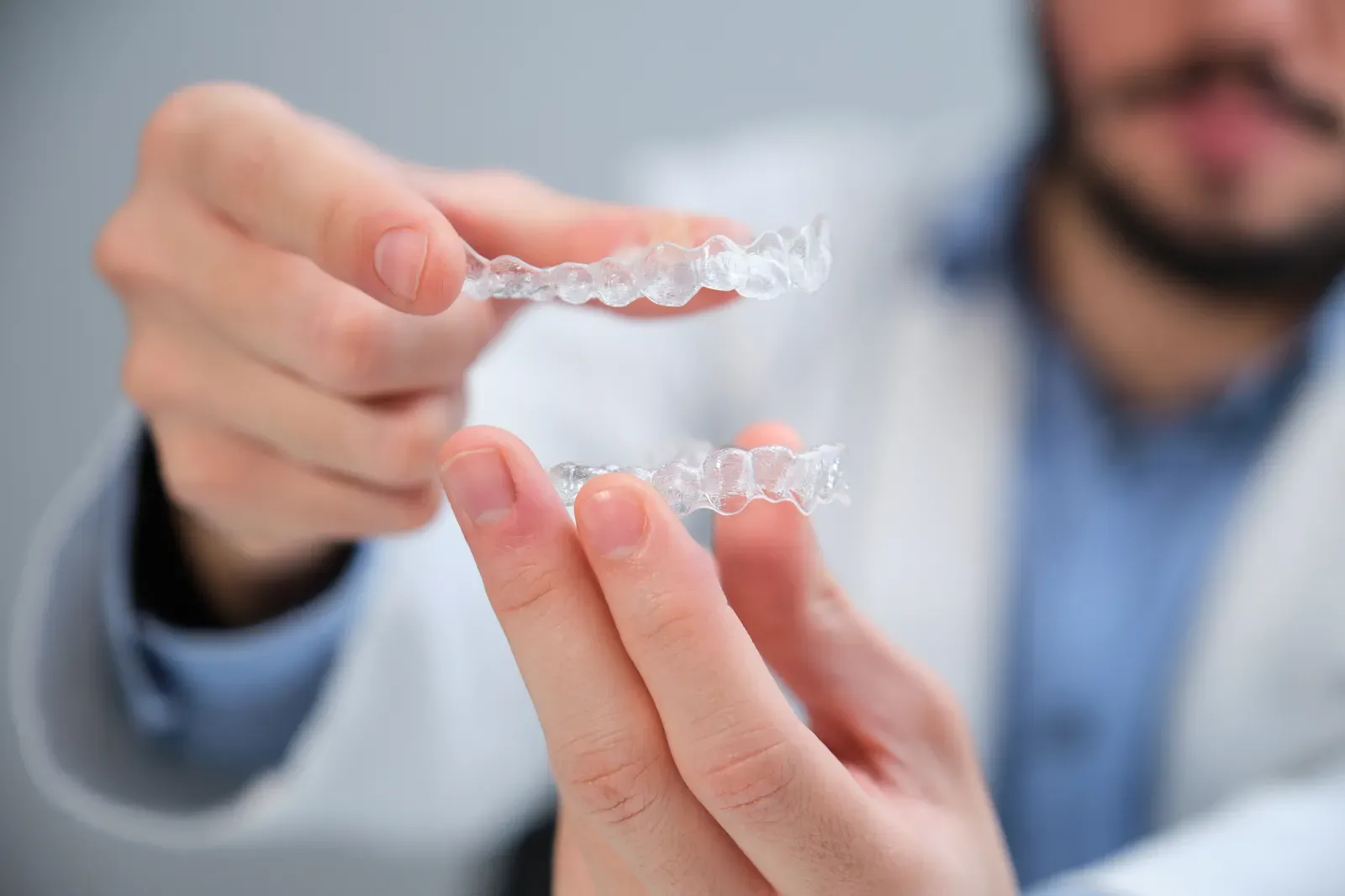
One of the most common misunderstandings about this treatment is that it works the same way as traditional braces, just invisible. In reality, the process starts with digital scans or impressions of your teeth, which our team uses to map out a precise sequence of tooth movements. From that plan, a series of custom, clear plastic trays is created, each one designed to shift your teeth slightly closer to their final position.
You'll wear each set of aligners for about one to two weeks before switching to the next in the series, typically for 20 to 22 hours a day. Because every tray is built around the overall treatment plan, there's no wire-tightening or bracket adjustment the way you'd see with metal braces. Instead, progress happens gradually and predictably as you move through each stage.
During treatment, you'll have periodic check-ins so your dentist can confirm your teeth are tracking correctly and make small adjustments if needed. If you're exploring this option for the first time, our Invisalign info page walks through the clinical side of the process in more depth, including what a typical treatment plan looks like from start to finish.
Is It Comfortable, and Does It Require Discipline?
Comfort is probably the question we hear the most, right alongside "will people notice?" The honest answer is that you'll likely feel mild pressure for the first day or two after switching to a new tray, which is simply a sign that your teeth are moving. Most patients describe it as a dull tightness rather than pain, and it typically fades within 48 hours.
Discipline matters more than most people expect going in. Because the trays are removable, results depend heavily on actually wearing them for the recommended 20 to 22 hours daily. Patients who treat the wear schedule loosely often see their treatment timeline stretch out, sometimes by months, simply because teeth need consistent pressure to keep moving on schedule.
- Minimal irritation: Smooth plastic edges mean none of the mouth sores common with metal brackets and wires.
- Removable for meals: You take the trays out to eat, so there are no food restrictions like with braces.
- Easier hygiene: Brushing and flossing stay normal since the aligners come off completely for cleaning.
- Self-discipline required: Skipping wear time or losing trays frequently can slow progress noticeably.
How Long Until You See Results?
Treatment length varies quite a bit depending on how much movement your teeth need. Mild crowding or spacing issues might resolve in as little as six months, while more complex bite corrections can take 18 months or longer. On average, most adult patients in our Charlotte practice complete treatment somewhere between 12 and 18 months.
What surprises many patients is how early they start noticing visible change. It's common to see noticeable shifting within the first six to eight weeks, even though the full correction takes much longer. That early visible progress is often what keeps patients motivated to stick with their wear schedule through the middle stretch of treatment, which can feel less eventful.
Age also plays a role in expectations. Teenagers' mouths are often still developing, which can affect treatment planning differently than for adults with fully set jawbones. If you're considering this for a teenager, our Invisalign for teens page covers the specific considerations involved, including compliance indicators that help us track whether trays are being worn as prescribed.
What Does It Cost and Does Insurance Help?
Cost is understandably one of the biggest factors in deciding whether to move forward. Pricing depends on the complexity of your case, the number of aligner trays required, and how long treatment is expected to run. Minor corrections cost less than comprehensive bite realignments, so getting an exam before assuming a price range is always worthwhile.
Many dental insurance plans that cover orthodontics will apply that same benefit toward clear aligners, since it's classified the same way as braces for coverage purposes. Flexible spending accounts and health savings accounts can also typically be used, and many practices, including ours, offer monthly payment plans to spread out the expense rather than requiring payment upfront.
For a detailed breakdown of pricing factors and what's typically included in a treatment plan, visit our Invisalign costs page. It's worth reviewing before your consultation so you can ask informed questions about what's covered and what isn't.
5 Real Benefits of Asking These Questions First
Getting clear answers before you commit to treatment isn't just about satisfying curiosity. It changes the actual experience and outcome in measurable ways. Here are five concrete benefits of walking into treatment already informed.
- Fewer surprises mid-treatment: Knowing the wear schedule, discomfort pattern, and timeline in advance means you won't be caught off guard partway through.
- Better compliance: Patients who understand why consistent wear matters are far more likely to hit their 20 to 22 hour daily target, keeping treatment on schedule.
- Realistic budgeting: Understanding cost ranges and insurance applicability ahead of time removes financial guesswork and lets you plan payments with confidence.
- Confidence in your decision: Patients who ask questions upfront report feeling more settled about their choice, rather than second-guessing it once trays arrive.
- Stronger communication with your dentist: Informed patients ask sharper follow-up questions at checkups, which helps your dentist catch tracking issues earlier.
Many patients also find it reassuring to hear directly from people who've completed treatment. Our Invisalign testimonials page shares real patient experiences from start to finish, which can round out the technical answers with a more personal perspective.
Key Takeaways
- Clear aligner treatment relies on a precise series of custom trays and typically takes 12 to 18 months for adults.
- Mild pressure after each new tray is normal and usually fades within 48 hours, but consistent 20-22 hour daily wear is non-negotiable for staying on schedule.
- Cost varies by case complexity, and most orthodontic insurance benefits and HSA/FSA funds can be applied.
- Patients who ask detailed questions upfront see fewer surprises, better compliance, and more confidence throughout treatment.
Frequently Asked Questions
Can I eat and drink normally during treatment?
Yes, since you remove the trays for meals. Just avoid eating or drinking anything besides water while wearing them, since food particles and staining liquids like coffee can get trapped against your teeth or discolor the plastic.
Will anyone notice I'm wearing aligners?
Most people won't notice unless they're looking closely. The clear plastic trays sit snugly against your teeth and are far less visible than metal brackets and wires, which is a major reason adults often prefer this option.
What happens if I lose or crack a tray?
Contact your dentist right away. Depending on where you are in your treatment, you may be able to move to the next tray in the series temporarily or wear the previous one until a replacement arrives, so your plan stays on track.
Is this a good option for severe bite issues?
Clear aligners handle many moderate to complex cases well, but severe skeletal bite discrepancies sometimes require traditional orthodontics or a combination approach. A dental exam is the only reliable way to know whether your case is a good fit.
Do I need a retainer after treatment finishes?
Yes. Teeth naturally drift over time, so a retainer, worn as directed, usually nightly at first, is essential for protecting your results long after your last tray.
Making an Informed Choice About Your Smile
Clear aligner treatment works best when you understand what it actually involves, not just the highlight reel of straight teeth at the end. Comfort, discipline, timeline, and cost are all factors that shape your day-to-day experience, and knowing what to expect at each stage makes the entire process smoother from the first tray to the last.
If you still have questions after reading this, that's exactly what a consultation is for. Our team at Promenade Center for Dentistry can review your specific smile goals, answer any remaining questions in person, and let you know whether clear aligners are the right fit for your situation.