
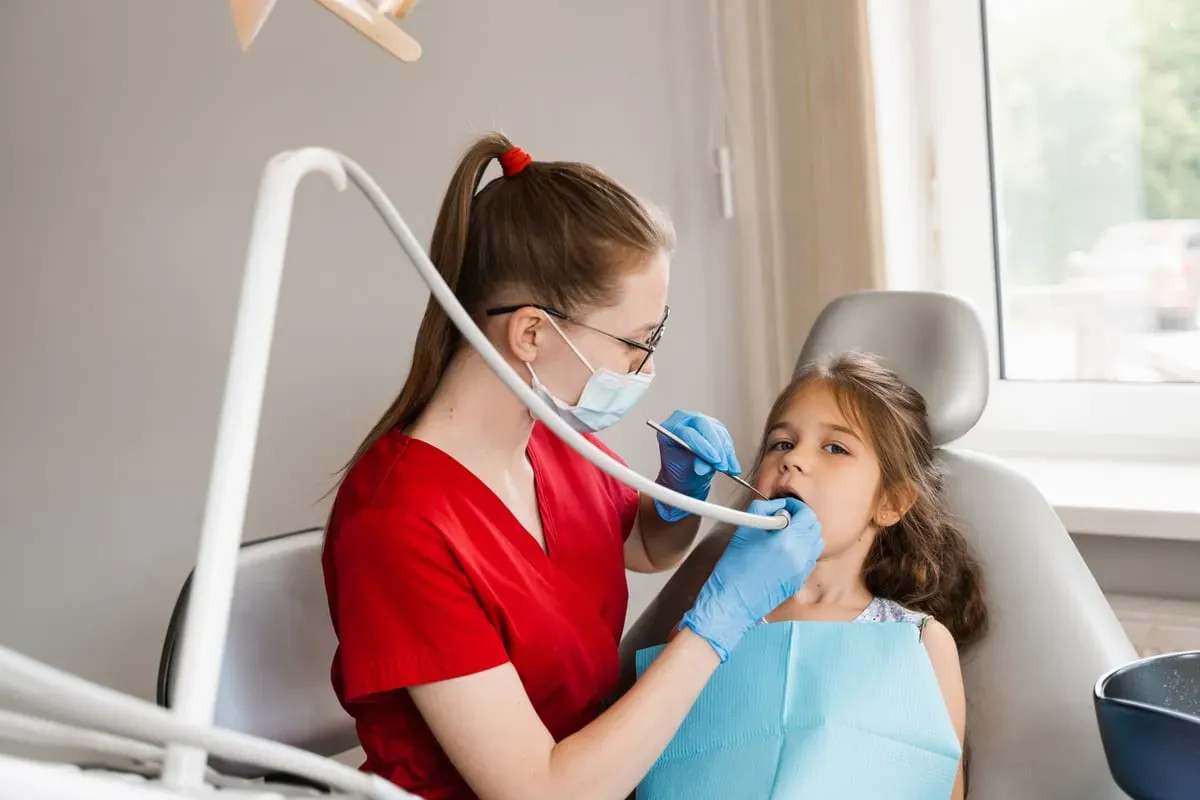
Dental Sealants

A simple, protective coating that shields vulnerable teeth from decay before a cavity ever has the chance to form.

A Thin Shield Against a Lifetime of Cavities

The back teeth do most of the heavy lifting when it comes to chewing, and their grooved, pitted chewing surfaces make them notoriously difficult to clean with a toothbrush alone. Food particles and bacteria settle into these tiny crevices, and over time, that buildup turns into decay - even in patients who brush and floss diligently every day.

Dental sealants solve this problem directly. At Promenade Center for Dentistry, our general dentistry team applies a thin, tooth-colored resin coating to the chewing surfaces of molars and premolars, sealing off the grooves where bacteria like to hide. It is one of the most cost-effective, evidence-backed preventive treatments in modern dentistry, and it takes only minutes to place per tooth.

Signs You or Your Child May Benefit from Sealants

Not every tooth needs a sealant, but certain patterns in a patient's oral anatomy and cavity history make the treatment especially worthwhile. During a routine exam, our dentists check for the specific warning signs below before recommending sealants as part of a patient's preventive plan.

Who Is a Good Candidate for Dental Sealants?

Sealants are often associated with children, and for good reason - kids ages 6 to 14 are statistically at the highest risk for cavities in their molars as those teeth erupt. But candidacy for sealants is not limited by age. Any patient, child or adult, with deep grooves and healthy tooth enamel on their molars can benefit from this protective treatment.

Before recommending sealants, our dentists perform a thorough visual exam and review your dental history to confirm the teeth in question are free of existing decay. Sealants work best as a preventive measure on sound enamel, not as a substitute for a filling on a tooth that already has a cavity. We will walk you through exactly which teeth qualify and why during your consultation.

The Health Benefits of Choosing Dental Sealants

The value of sealants goes well beyond a single appointment. This treatment is backed by decades of clinical data showing a measurable reduction in cavities among patients who receive sealants on their molars, and the advantages compound over time as those protected teeth stay cavity-free year after year.

Caring for Your Sealants After Treatment

One of the best features of dental sealants is how little they change your daily routine. There is no special equipment to buy and no complicated aftercare regimen. That said, a few simple habits will help your sealants last as long as possible and keep your protected teeth working the way they should.

We also recommend keeping up with your regular cleanings and checkups at Promenade Center for Dentistry, since our team checks the integrity of your sealants at every visit and can reapply them quickly if any wear is detected.

How We Apply Dental Sealants, Step by Step

1. Clean and Dry the Tooth

We start by thoroughly cleaning the tooth's chewing surface to remove any plaque or debris, then dry it completely so the sealant bonds properly.

2. Prepare the Enamel

An acidic conditioning gel is applied briefly to slightly roughen the enamel, which helps the sealant material adhere securely to the tooth.

3. Rinse and Dry Again

The tooth is rinsed and dried a second time, keeping it isolated from saliva so the surface stays clean right up until the sealant is applied.

4. Paint On the Sealant

A liquid resin is carefully painted into the grooves and pits of the tooth, flowing into every crevice where decay typically begins.

5. Cure with a Special Light

A curing light hardens the resin within seconds, bonding it firmly to the tooth and creating a smooth, protective barrier.

6. Check Your Bite

We finish by checking how your teeth come together to confirm the sealant feels comfortable and does not interfere with your normal bite.

Why Charlotte Families Trust Promenade Center for Dentistry

Preventive treatments like sealants work best when they are part of an ongoing relationship with a dental team that knows your family's history and habits. That is exactly what we aim to provide for every patient who walks through our doors in Charlotte.

Frequently Asked Questions About Dental Sealants

How long do dental sealants last?

With normal wear and tear, sealants typically hold up for several years before they need to be reapplied. We inspect them at every cleaning and can touch up or replace any worn areas quickly and painlessly.

Are dental sealants only for children?

No. While sealants are most commonly recommended for children and teens right after their permanent molars erupt, adults with deep grooves and no history of decay on those teeth can also benefit from the extra protection.

Does getting a sealant hurt?

Not at all. There is no drilling, no anesthesia, and no discomfort involved. The process simply involves cleaning the tooth, applying the sealant material, and curing it with a light, usually in just a few minutes per tooth.

Do sealants replace the need for brushing and flossing?

No. Sealants only protect the chewing surfaces of back teeth. You still need to brush twice a day and floss daily to keep the rest of your teeth and gums healthy.

Will my dental insurance cover sealants?

Many dental insurance plans cover sealants, particularly for children, as a preventive benefit. Our front desk team can verify your specific coverage and walk you through any out-of-pocket cost before treatment begins.

Can a tooth that already has a sealant still get a cavity?

It is rare but possible, usually if the sealant wears down or chips over time without being replaced, or if decay develops on a part of the tooth the sealant does not cover. Regular checkups help us catch and correct this early.

Promenade Center for Dentistry

Your healthiest smile starts with one appointment

Our caring team is ready to welcome you with gentle, personalized dental care. Book online or give us a call - we'd love to see you smile.